I'm a little surprised I never came here to update you about the new turn my writing life has taken; then again, I am pretty busy these days.
I got hired by Inkitt to be a "script writer" for their app, Galatea. Yes, I am now a full-time, self (and family) supporting writer, guys.
Galatea takes stories people post on Inkitt (it's similar to Wattpad) and has people like me adapt them to an episodic format. Then they have designers add on immersive elements like sound effects and music.
Yes, I write werewolf romance (usually--I did work on one thriller) professionally now.
I've been working for Inkitt since late April and, for the most part, it's been amazing.
There are moments when it is not amazing, but even on those days, I can still ask myself if I'd rather be doing anything else, and the answer is HELL NO.
I've even started carving out time here and there for my own writing projects... I'll be posting the first few chapters of a new novel on Inkitt soon. You can also read the short novel I wrote while waiting to hear back if I was hired here.
I'm learning a ton. We work in teams and collaborating is not always easy, though I've really come to appreciate it as a way to bump up creativity and get feedback. Just recently I was on a solo project and I actually felt kind of ambivalent about it. On the one hand, it made maintaining consistency across all of the episodes in the "season" (they use TV terminology for their stories) easier, but it also felt like I was missing that feedback and support.
Oh, and by the way, they are hiring, and you can work from home.
What new turns has your writing life taken in recent months?
Have you checked out Galatea?
What do you think of adding sound effects and music to something people read?
... well, it's generally about my writing. Most days. Some days, it strays into other topics of interest to me.
Showing posts with label fantasy. Show all posts
Saturday, October 5, 2019
Tuesday, April 16, 2019
Finished my book!
Yep. I did. I finished the short novel, Wild Wild Witch, that I have been posting as I go on Inkitt. Happy dance!
I have a lot of fun with this book. It's a fantasy/western/romance with a little bit of horror thrown in for good measure. I set out to write a romance, and then I was like, "Hey, why not try a little genre blending... I'll make a western, too." Then I thought, "What's a story without fantasy elements? I like fantasy stories the most, so I'd better make it a romance-western-fantasy." And then as I was writing the last chapters the horror just made sense.
This book taught me a few things about my writing.
1) I am incapable of writing anything simple.
2) I seem to be compulsive about things my character does going wrong, as opposed to having a lot of external obstacles get in their way. In my next story, I'm going to try not to do that. Not that I regret anything about this story--I think it all works very well and is entertaining. But I feel like if this is my pattern I have to try to push myself outside of it. It comes from an anxiety that introducing external obstacles will somehow feel contrived. I'm not sure where this anxiety comes from.
3) I want to work on creating more layered villains. My two major villains in this book are hate sinks. I realized as I was writing Witch that I really am not instinctively interested in my villains in and of themselves, other than as hate sinks. I am very interested in my protagonists and supporting characters, but on some level the fact that my villains are villains makes me dislike them and I don't want to spend much time on them other than to make them hate-worthy. Which isn't to say I've never written layered villains--I have. I think Reister is interesting (more so than Finnarun, who falls more into hate sink territory again) and I don't even really consider Liut a villain despite what he does. But I think they developed into interesting villains not because I planned them that way but because the story called for it, if that makes sense. With my next villain(s) I will take time to really plan and try to give them redeeming qualities that make them more complex.
Who are some of your favorite villains in novels, films, and TV? Are they hate sinks, or more complex?
I have a lot of fun with this book. It's a fantasy/western/romance with a little bit of horror thrown in for good measure. I set out to write a romance, and then I was like, "Hey, why not try a little genre blending... I'll make a western, too." Then I thought, "What's a story without fantasy elements? I like fantasy stories the most, so I'd better make it a romance-western-fantasy." And then as I was writing the last chapters the horror just made sense.
This book taught me a few things about my writing.
1) I am incapable of writing anything simple.
2) I seem to be compulsive about things my character does going wrong, as opposed to having a lot of external obstacles get in their way. In my next story, I'm going to try not to do that. Not that I regret anything about this story--I think it all works very well and is entertaining. But I feel like if this is my pattern I have to try to push myself outside of it. It comes from an anxiety that introducing external obstacles will somehow feel contrived. I'm not sure where this anxiety comes from.
3) I want to work on creating more layered villains. My two major villains in this book are hate sinks. I realized as I was writing Witch that I really am not instinctively interested in my villains in and of themselves, other than as hate sinks. I am very interested in my protagonists and supporting characters, but on some level the fact that my villains are villains makes me dislike them and I don't want to spend much time on them other than to make them hate-worthy. Which isn't to say I've never written layered villains--I have. I think Reister is interesting (more so than Finnarun, who falls more into hate sink territory again) and I don't even really consider Liut a villain despite what he does. But I think they developed into interesting villains not because I planned them that way but because the story called for it, if that makes sense. With my next villain(s) I will take time to really plan and try to give them redeeming qualities that make them more complex.
Who are some of your favorite villains in novels, films, and TV? Are they hate sinks, or more complex?
Labels:
fantasy,
hate sink,
horror,
inkitt,
novel,
romance,
Sophia Martin,
villains,
western,
Wild Wild Witch,
writing
Sunday, April 7, 2019
Inkitt: Publishing as You Go
I recently discovered Inkitt.com, which is, I gather, a lot like Wattpad. I've dabbled a little on Wattpad but never done very much. I decided to try out Inkitt a bit more thoroughly. Maybe it's the novel contest. I don't know. Does Wattpad have a novel contest? It's possible that everything I like about Inkitt is the same on Wattpad, I'm just not that familiar with that platform.
In the past when I've written novels I've hit walls where I've reached out to a friend and asked that they read what I have done so far, not for feedback, but because knowing someone is reading my stuff is a better motivator for me to finish the book than anything else I've come across. I know it's sort of ass-backwards. You're supposed to finish the novel, revise it, polish it, revise it again, and then polish again, and then send it out into the world to find readers. I may get to the point where that feels right to me. I certainly have some ambivalence about not doing it that way. But right now the reason I'm enjoying myself on Inkitt is because I'm posting each chapter as I finish it, and they have these cool analytics that show you how many people are reading. I've got something in the neighborhood of ten people reading my incomplete novel right now. It's so great for motivation! I imagine that these people have all read the latest chapter (the analytics say so, actually) and are eagerly awaiting the next installment. So I feel that push to deliver.
I'm on Chapter 16 and I think there are only a couple more chapters to go. The story is definitely winding down; I'm just not sure how long it's going to take to write everything. It's not going to be a very long book, in fact... barely a novel by word count standards. But I've been approaching it more in terms of episodes, with each chapter being an episode. I'm playing around.
It's one of the first things I've written with a thorough outline. With the WiP I set aside a couple of months ago (that I still hope to return to) I did a lot of outlining, but that is a huge monster of a book and I don't know how long it will take to write the whole thing. This one is much shorter. I wanted to try a few things. Romance, for one. It's a genre I have been wanting to have a go at for a while. Veronica in Paris is a romance, but it started out as a chapter of The River and the Roses so it wasn't like, "Hm, I think I will sit down and write a romance today." I've always been a fan of soap operas, and I wanted to see if I could capture some of the qualities of a soap that I love in a novel. And I wanted to mix genres: romance/supernatural/western/thriller.
I think when it's done it's going to be a fun little book. Nothing earth shattering, but I do think it's going to succeed at what I want it to do, which is show people a good time. I'm having a good time writing it.
What are your projects, these days? Trying anything new?
In the past when I've written novels I've hit walls where I've reached out to a friend and asked that they read what I have done so far, not for feedback, but because knowing someone is reading my stuff is a better motivator for me to finish the book than anything else I've come across. I know it's sort of ass-backwards. You're supposed to finish the novel, revise it, polish it, revise it again, and then polish again, and then send it out into the world to find readers. I may get to the point where that feels right to me. I certainly have some ambivalence about not doing it that way. But right now the reason I'm enjoying myself on Inkitt is because I'm posting each chapter as I finish it, and they have these cool analytics that show you how many people are reading. I've got something in the neighborhood of ten people reading my incomplete novel right now. It's so great for motivation! I imagine that these people have all read the latest chapter (the analytics say so, actually) and are eagerly awaiting the next installment. So I feel that push to deliver.I'm on Chapter 16 and I think there are only a couple more chapters to go. The story is definitely winding down; I'm just not sure how long it's going to take to write everything. It's not going to be a very long book, in fact... barely a novel by word count standards. But I've been approaching it more in terms of episodes, with each chapter being an episode. I'm playing around.
It's one of the first things I've written with a thorough outline. With the WiP I set aside a couple of months ago (that I still hope to return to) I did a lot of outlining, but that is a huge monster of a book and I don't know how long it will take to write the whole thing. This one is much shorter. I wanted to try a few things. Romance, for one. It's a genre I have been wanting to have a go at for a while. Veronica in Paris is a romance, but it started out as a chapter of The River and the Roses so it wasn't like, "Hm, I think I will sit down and write a romance today." I've always been a fan of soap operas, and I wanted to see if I could capture some of the qualities of a soap that I love in a novel. And I wanted to mix genres: romance/supernatural/western/thriller.
I think when it's done it's going to be a fun little book. Nothing earth shattering, but I do think it's going to succeed at what I want it to do, which is show people a good time. I'm having a good time writing it.
What are your projects, these days? Trying anything new?
Friday, May 30, 2014
Year of the Wolf by Heather Heffner
This novel is excellent. Of all of the indie novels I have read over the last few years, Year of the Wolf
is by far of the highest quality in terms of writing and story sophistication, and it's better than many traditionally published novels I've read. I am seriously impressed with Heather Heffner
. The novel will please those who like vampire and werewolf stories. The interesting thing about that is I really don't get into those stories (anymore--I was really into them for a while a few years ago and had my fill) but I really enjoyed this book because of the innovative approach to the genre. I found all the aspects drawing on Korean culture fascinating. I give this novel my highest recommendation.
[SPOILERS AHEAD]
I do have some critiques of it, but you have to understand, these critiques are on par with critiques I would give any excellent novel, because no novel is perfect. So here we go.
First off, the story includes a subplot you see a lot of in books with werewolves: the main character, Citlalli, is a new werewolf, and the only other notable female werewolf character hates her on sight and wants to challenge her at every turn because that's what female wolves do to establish their hierarchy in the pack. I'm not a huge fan of the genre largely for this reason. I find pitting female characters against each other in this way, especially when there's additionally a male they are fighting over, really really tiresome. I wish that people would stop writing this story--it adds nothing new to the genre. And if it's not possible to write a werewolf story without revisiting this kind of conflict, why not go with a different kind of shifter? In Heffner's universe there are all sorts of shifters. The weretigers sound particularly intriguing.
Compounding the problem of the female wolf rivalry is that the rival in question is Korean. In fact, this story has several Korean characters and they are all supporting characters, yet it is set in Korea. None of them are very effective at dealing with the problems they are faced with. They need Citalli, a Mexican-American who has settled in Korea, and her love-interest, another Latino, for that. And hey, it's really cool and refreshing to see nonwhite characters throughout the book, it's one of the things that makes it so original. Still, I got the sense that even with as much knowledge as Una, a kind of shaman, had or the leading werewolf, also a Korean, had, they just weren't going to be the heroes in any way shape or form. To me, that's a problematic storyline. Not as bad as say, The Last Samurai, but it does have some similar issues.
Finally, the ending. Heffner took a big risk with the ending--it is an out-and-out cliff-hanger. No resolution at all. No satisfaction for the reader at all. IMO, you save that kind of ending for book 2. Otherwise I'm left feeling like this author is just going to mess with me. I felt that way when I read the first book in The Lying Game series. And I had no interest in buying the second book as a result. I may buy the second book in Heffner's series, Year of the Tiger
; I haven't decided yet.
I do hope a lot of people read this novel, as the writing and plotting are excellent, and many people will not have the problems with it that I had. Again, I highly recommend it.
[SPOILERS AHEAD]
I do have some critiques of it, but you have to understand, these critiques are on par with critiques I would give any excellent novel, because no novel is perfect. So here we go.
First off, the story includes a subplot you see a lot of in books with werewolves: the main character, Citlalli, is a new werewolf, and the only other notable female werewolf character hates her on sight and wants to challenge her at every turn because that's what female wolves do to establish their hierarchy in the pack. I'm not a huge fan of the genre largely for this reason. I find pitting female characters against each other in this way, especially when there's additionally a male they are fighting over, really really tiresome. I wish that people would stop writing this story--it adds nothing new to the genre. And if it's not possible to write a werewolf story without revisiting this kind of conflict, why not go with a different kind of shifter? In Heffner's universe there are all sorts of shifters. The weretigers sound particularly intriguing.
Compounding the problem of the female wolf rivalry is that the rival in question is Korean. In fact, this story has several Korean characters and they are all supporting characters, yet it is set in Korea. None of them are very effective at dealing with the problems they are faced with. They need Citalli, a Mexican-American who has settled in Korea, and her love-interest, another Latino, for that. And hey, it's really cool and refreshing to see nonwhite characters throughout the book, it's one of the things that makes it so original. Still, I got the sense that even with as much knowledge as Una, a kind of shaman, had or the leading werewolf, also a Korean, had, they just weren't going to be the heroes in any way shape or form. To me, that's a problematic storyline. Not as bad as say, The Last Samurai, but it does have some similar issues.
Finally, the ending. Heffner took a big risk with the ending--it is an out-and-out cliff-hanger. No resolution at all. No satisfaction for the reader at all. IMO, you save that kind of ending for book 2. Otherwise I'm left feeling like this author is just going to mess with me. I felt that way when I read the first book in The Lying Game series. And I had no interest in buying the second book as a result. I may buy the second book in Heffner's series, Year of the Tiger
I do hope a lot of people read this novel, as the writing and plotting are excellent, and many people will not have the problems with it that I had. Again, I highly recommend it.
Wednesday, December 4, 2013
World Building! Huzzah!
I confess, I'm letting my attention wander off my WiPs at the moment. It shouldn't come as a surprise given that I wrote a whole post about my current writing ennui, of course. But what has been fun is that instead of wasting all my time on The Sims (did you know that The Sims 4 is coming out in a few months? This could be bad news for my writing!), I actually have gotten involved in some world-building. I've had several flickers of inspiration for a possible new series, though I won't say more than that because it's not even half-formed in my mind yet. The world I'm working on will include Odalnord, the land of Myadar and The City Darkens, but it will also possibly be the setting for this new story. I'm toying with a medieval setting and I've been using some pretty fun online utilities to create a land in this world that adheres to some realistic aspects of a medieval European setting. It's still very much in the preliminary stages, but I spent a couple of hours last night working on a map and figuring out where the climate zones would be.
The utilities I have been using are intended for role-playing games a la Dungeons & Dragons, but of course can be used for fictional worlds in novels, too:
This link provides a list of Mapping software, some free, some not. I used "Fractal Mapper" to create my map.
This one is a "domesday book"-- doomsday books (that's the spelling I'm more familiar with) were essentially censuses (censi?) of medieval communities, and historians get very excited about them nowadays. This site allows you to set a couple of parameters and it then gives you calculations for how many cities, towns, etc., and how many professions in a town or village as you choose, would exist in your kingdom.
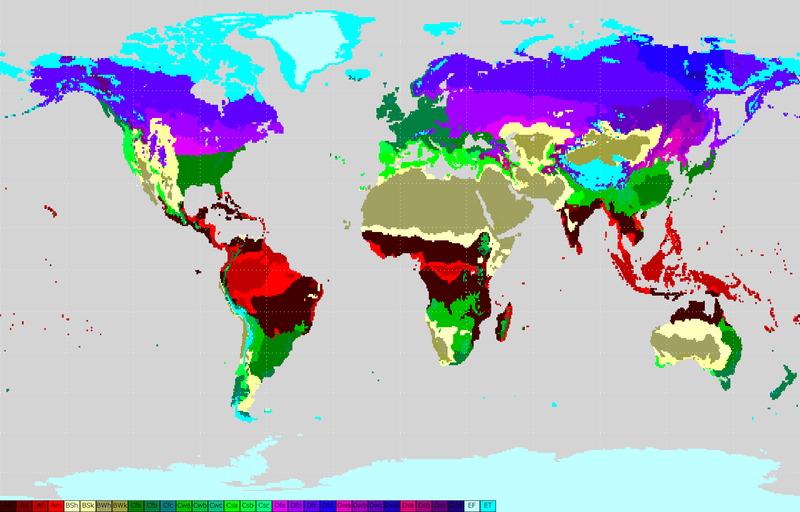
I also just looked at a climate map of Earth and followed the latitudes and other patterns (Oceanic climates on west coasts, for instance) to work with my fantasy world map. I'm probably not going to get it 100% right but it's fun to have a guide. It opens up story possibilities just knowing what the climates are, and, paired with the domesday book site, it makes a difference as to which areas are more densely populated and have cities and such.
Another aspect of the domesday book site that's fun to think about is the history of the land and how long people have been building castles there. That impacts how many castle ruins there are, and castle ruins just provoke all sorts of interesting ideas in terms of adventures that could happen there. What terrible hauntings could be taking place in some castle ruins near the town my character might live in??? Mwahahaha.
Anyway, it's not techinically writing, but it's not so far afield that I feel like I'm abandoning writing completely. And as long as that's where my energy is flowing, I'm going to go with it.
Do you enjoy world-building? How much detail do you like to put into it? Do you have any cool utilities that you use? Recommend them in the comments, I'd love to check them out!
The utilities I have been using are intended for role-playing games a la Dungeons & Dragons, but of course can be used for fictional worlds in novels, too:
This link provides a list of Mapping software, some free, some not. I used "Fractal Mapper" to create my map.
This one is a "domesday book"-- doomsday books (that's the spelling I'm more familiar with) were essentially censuses (censi?) of medieval communities, and historians get very excited about them nowadays. This site allows you to set a couple of parameters and it then gives you calculations for how many cities, towns, etc., and how many professions in a town or village as you choose, would exist in your kingdom.
I also just looked at a climate map of Earth and followed the latitudes and other patterns (Oceanic climates on west coasts, for instance) to work with my fantasy world map. I'm probably not going to get it 100% right but it's fun to have a guide. It opens up story possibilities just knowing what the climates are, and, paired with the domesday book site, it makes a difference as to which areas are more densely populated and have cities and such.Another aspect of the domesday book site that's fun to think about is the history of the land and how long people have been building castles there. That impacts how many castle ruins there are, and castle ruins just provoke all sorts of interesting ideas in terms of adventures that could happen there. What terrible hauntings could be taking place in some castle ruins near the town my character might live in??? Mwahahaha.
Anyway, it's not techinically writing, but it's not so far afield that I feel like I'm abandoning writing completely. And as long as that's where my energy is flowing, I'm going to go with it.
Do you enjoy world-building? How much detail do you like to put into it? Do you have any cool utilities that you use? Recommend them in the comments, I'd love to check them out!
Labels:
castles,
cities,
climate,
domesday book,
doomsday book,
fantasy,
fractal map generator,
fractal mapper,
links,
mapping,
maps,
Sophia Martin,
towns,
utilities,
utility,
weather,
world-building,
writing
Wednesday, June 5, 2013
Wrangling Fictional Characters
I've begun to write the sequel to The City Darkens, and I won't say very much about that specifically, since it is one my rules never to talk about a story before it's finished. But what I will say is that I decided to go with a different narrator than Myadar. Ginna has lived most of her life in the Undergrunnsby--I felt like Myadar's story really only showed one perspective on the city, and that I needed to have the next story flip that and look at it from a completely different angle. So this has presented two unexpected challenges.
First, Ginna has a distinct voice, which is great, in a distinct dialect, which I can hear clearly in my head most of the time. At first, I had a real struggle because Ginna kept insisting on switching tenses and telling her story sometimes in present tense and sometimes in past tense. Eventually I figured out how to handle this: she'd tell the events of the story in past tense, and anything she considered to be a constant truth she'd tell in present tense. Now the only trouble I'm having is with some of her to-be verbs, which I can't seem to find a consistent way of conjugating. I'm going to have to study up on existing dialects. The nice thing about creating your own fantasy world is that you can take liberties when you invent a dialect. You're not required to represent how real people talk in a certain region of the real world. But you do have to be consistent.
The second unexpected challenge is that Ginna is such a strong personality right from the get-go. I feel like she's just using me to get her story out. (Stephen King attributed an idea to Native Americans--I don't think he was specific about the tribe and I don't remember where I read this--that stories stalk the writer until the writer is ready to tell them, or some such. It's like that.) Actually, a few times it's been like she slapped me upside the head and said, "Hey! What kind of ninny do you think I am? I'm doing this instead." And sometimes I don't really like what she does, but there's no way around it. She's going to do things that way, because that's who she is. For one thing she can be incredibly and remorselessly violent. Not all of the time, but basically she's got a lot of rage from some of the experiences she's been through. I've written before about violence, and how ambivalent I am about representing it in fiction. I look at George R. R. Martin's stories, which granted I've only experienced through the show, Game of Thrones, and I think he goes too far. Don't get me wrong, I'm addicted to the show. But I really could do without some of the images it has put in my head, and it disturbs me when people come to the defense of its violence with reasons like, "It's historically accurate." Westeros doesn't exist, people. It never did. There can be no historical accuracy there. And if you're referring to a depiction of medieval England, let me tell you that the ways in which GoT is historically inaccurate far outweigh the ways in which is may be accurate--for instance, there's no Catholic Church, and you really can't talk about the history of England without including the Catholic Church.
Okay, end history-nerd side rant.
Anyway, the point I was actually trying to get to is that since I've begun dealing with Ginna, it's caused me to wonder if GRRM might actually not have really planned to be quite so brutal when he started writing. Maybe his characters slapped him upside the head and said, "HEY. WE ARE JUST THAT EVIL." Or something. Then again, one of the people I watch GoT with claims that when GRRM was a kid, he had pet turtles, and used to write stories about the turtles torturing each other and plotting to murder each other. So quite possibly he's just that much of a sadist. Who knows?
I'm actually not complaining about Ginna's domination over the story. It's quite wonderful when characters take over and the story grows from them. I'm a pantser, though. I can see how if you had a whole outline written, characters slapping you upside the head and demanding that the story go in a direction you never intended might become a problem. You'd get quite lost without your map.
Have you ever experienced a character running loose from your control? What was that like for you? Did you enjoy it, or were they a royal pain in the ass? How did that story turn out?
First, Ginna has a distinct voice, which is great, in a distinct dialect, which I can hear clearly in my head most of the time. At first, I had a real struggle because Ginna kept insisting on switching tenses and telling her story sometimes in present tense and sometimes in past tense. Eventually I figured out how to handle this: she'd tell the events of the story in past tense, and anything she considered to be a constant truth she'd tell in present tense. Now the only trouble I'm having is with some of her to-be verbs, which I can't seem to find a consistent way of conjugating. I'm going to have to study up on existing dialects. The nice thing about creating your own fantasy world is that you can take liberties when you invent a dialect. You're not required to represent how real people talk in a certain region of the real world. But you do have to be consistent.
The second unexpected challenge is that Ginna is such a strong personality right from the get-go. I feel like she's just using me to get her story out. (Stephen King attributed an idea to Native Americans--I don't think he was specific about the tribe and I don't remember where I read this--that stories stalk the writer until the writer is ready to tell them, or some such. It's like that.) Actually, a few times it's been like she slapped me upside the head and said, "Hey! What kind of ninny do you think I am? I'm doing this instead." And sometimes I don't really like what she does, but there's no way around it. She's going to do things that way, because that's who she is. For one thing she can be incredibly and remorselessly violent. Not all of the time, but basically she's got a lot of rage from some of the experiences she's been through. I've written before about violence, and how ambivalent I am about representing it in fiction. I look at George R. R. Martin's stories, which granted I've only experienced through the show, Game of Thrones, and I think he goes too far. Don't get me wrong, I'm addicted to the show. But I really could do without some of the images it has put in my head, and it disturbs me when people come to the defense of its violence with reasons like, "It's historically accurate." Westeros doesn't exist, people. It never did. There can be no historical accuracy there. And if you're referring to a depiction of medieval England, let me tell you that the ways in which GoT is historically inaccurate far outweigh the ways in which is may be accurate--for instance, there's no Catholic Church, and you really can't talk about the history of England without including the Catholic Church.
![]() |
| Not exactly a Catholic priest. |
Anyway, the point I was actually trying to get to is that since I've begun dealing with Ginna, it's caused me to wonder if GRRM might actually not have really planned to be quite so brutal when he started writing. Maybe his characters slapped him upside the head and said, "HEY. WE ARE JUST THAT EVIL." Or something. Then again, one of the people I watch GoT with claims that when GRRM was a kid, he had pet turtles, and used to write stories about the turtles torturing each other and plotting to murder each other. So quite possibly he's just that much of a sadist. Who knows?
I'm actually not complaining about Ginna's domination over the story. It's quite wonderful when characters take over and the story grows from them. I'm a pantser, though. I can see how if you had a whole outline written, characters slapping you upside the head and demanding that the story go in a direction you never intended might become a problem. You'd get quite lost without your map.
Have you ever experienced a character running loose from your control? What was that like for you? Did you enjoy it, or were they a royal pain in the ass? How did that story turn out?
Monday, March 25, 2013
COVER! OF! PART! ONE!
If you follow me on Twitter you may have noticed that I was really fretting over the creation of my covers for the decopunk serial novel I've been working on, The City Darkens. I wanted a deco feel, and the closer I could get to a tribute to Fritz Lang's Metropolis, the better. Since part one is almost ready to be published (maybe tomorrow!) the time had really come to confront my fears and get to work on the cover. So I collected some images on Pinterest and sat down at my dining room table with all of my boxes of art supplies, none of which I have touched in over a year, and this is the result:
I'm really pleased with it. If you are familiar with the posters for Metropolis, you might recognize the one I like the best:
I realize my font is a bit hard to read, but I figure the title will be all typed out nicely at the top of the page next to the cover, so it's really more about catching the eye and also communicating the Lang inspiration and deco quality.
My husband asked whether I'll get in trouble for the similarities. My understanding is that as long as an image is 75% altered from the original, you're okay. Now, I can't claim that I ran any sort of algorithm, but I did change a lot in the picture. I think I'm okay. Would you agree?
Anyway, be on the look out for the soon to be published first episode of my novel, The City Darkens: Myadar's Snare. Yay!
I realize my font is a bit hard to read, but I figure the title will be all typed out nicely at the top of the page next to the cover, so it's really more about catching the eye and also communicating the Lang inspiration and deco quality.
My husband asked whether I'll get in trouble for the similarities. My understanding is that as long as an image is 75% altered from the original, you're okay. Now, I can't claim that I ran any sort of algorithm, but I did change a lot in the picture. I think I'm okay. Would you agree?
Anyway, be on the look out for the soon to be published first episode of my novel, The City Darkens: Myadar's Snare. Yay!
Labels:
cover,
cover art,
decopunk,
dieselpunk,
ebook,
epublishing,
fantasy,
Fritz Lang,
GLBT fantasy,
launching a book,
Metropolis,
Myadar's Snare,
novel,
serial,
Sophia Martin,
The City Darkens
Friday, March 22, 2013
The Magicians and Mrs. Quent by Galen Beckett
Continuing in my pursuit of good fantasy novels, I picked up The Magicians and Mrs. Quent
, by Galen Beckett. This one is not GLBT, although I suspect two of the male characters may pair off eventually in a sequel.
First off, let me say that the novel was not only good enough for me to finish, but I've wishlisted the sequels. So that's saying something. However, I did have a number of problems with it, which I'll get into in a bit.
The novel is set in an Edwardian-esque fantasy world with strange night/day cycles that change all the time. Nights are referred to as "umbrals" and days as "lumenals," and due to some unexplained phenomenon, some umbrals last 20 hours, some five, and likewise with the days, etc., with no rhyme or reason to when the long and short umbrals and lumenals occur. Magic exists in this world, and seems to have different manifestations based on gender. Other than that, the setting is very much Edwardian, as you can guess from the dress the woman on the cover is wearing.
So my initial reaction to the first lines, which are very Jane Austen
, was delight. I thought, here is exactly the sort of book I want to read, especially given my intent to explore writing an Edwardian romance. However, this delight soon faded.
First of all, I think it just doesn't fit to combine fantasy and Austen. It's weird, because I love both, but somehow, they just don't go together. It's like lemon curd and white cheddar. Love 'em both. Wouldn't spread the one on the other.
Secondly, Beckett moves from Austen, to Bronte (all of them, but especially Jane Eyre
)
to Dickens, and back to Austen. I love all of these, of course, but they are all very different. I don't read Austen if I'm in the mood
for gothic romance (Northanger Abbey
is not my favorite of hers), I read Bronte instead. I don't read Bronte if I want a taste of the drudgery of living in working class London, I read Dickens.
HERE THERE BE SPOILERS.
So the movement in the novel from the (mostly) cheery story of Miss Ivy Lockwell and her sisters and their association with Rafferty and Garritt to Ivy becoming a governess in the lonely, shadowy Heathcrest Hall in the windblown, wild country of Mr. Quent (who almost has a wife locked in an upstairs room, for pity's sake), to a return to the capitol with a focus on Garritt's struggle to find and keep a job as a clerk... I just had trouble with it. I found the similarities to real works by Austen, Bronte, and Dickens too distracting and when the plot deviated from the expected formulas for those novels (Austen would not have had Ivy fall for two men, for instance--at least, not without resolving it for the reader so that one of the men was revealed to be a cad) I was annoyed.
I also found it bewildering when the mid section of the book, set at Heathcrest, suddenly switched to first person, and I became convinced that the whole first part of the book was almost entirely unnecessary to the plot. I started thinking, why did the author even include it? And why not write the whole novel in first person? I know why now, having read the whole thing. Beckett needed to go with third person in the first and last thirds of the book to show stories like Garritt's. Could the middle part have remained in third person? Probably. I'm left feeling like the novel just wasn't very tight. Maybe if I reread it I would feel differently.
Anyway, those are my quibbles. Overall, I did enjoy the novel. Ivy is likeable, as is Rafferty. Garritt I'm on the fence about, and I was ready to toss his sister to the bad guy he so strenuously protected her from. I have a theory about Mr. Quent, but I won't share it until I've read the next two books.
I won't say, "If you're a fan of Austen and Bronte you'll like this book," because as you can see, that's not how it worked out for me. Rather, if you are looking for a fantasy novel that departs from the usual medieval setting and involves some likeable characters, you'll like this book.
First off, let me say that the novel was not only good enough for me to finish, but I've wishlisted the sequels. So that's saying something. However, I did have a number of problems with it, which I'll get into in a bit.
The novel is set in an Edwardian-esque fantasy world with strange night/day cycles that change all the time. Nights are referred to as "umbrals" and days as "lumenals," and due to some unexplained phenomenon, some umbrals last 20 hours, some five, and likewise with the days, etc., with no rhyme or reason to when the long and short umbrals and lumenals occur. Magic exists in this world, and seems to have different manifestations based on gender. Other than that, the setting is very much Edwardian, as you can guess from the dress the woman on the cover is wearing.
So my initial reaction to the first lines, which are very Jane Austen
First of all, I think it just doesn't fit to combine fantasy and Austen. It's weird, because I love both, but somehow, they just don't go together. It's like lemon curd and white cheddar. Love 'em both. Wouldn't spread the one on the other.
Secondly, Beckett moves from Austen, to Bronte (all of them, but especially Jane Eyre
HERE THERE BE SPOILERS.
So the movement in the novel from the (mostly) cheery story of Miss Ivy Lockwell and her sisters and their association with Rafferty and Garritt to Ivy becoming a governess in the lonely, shadowy Heathcrest Hall in the windblown, wild country of Mr. Quent (who almost has a wife locked in an upstairs room, for pity's sake), to a return to the capitol with a focus on Garritt's struggle to find and keep a job as a clerk... I just had trouble with it. I found the similarities to real works by Austen, Bronte, and Dickens too distracting and when the plot deviated from the expected formulas for those novels (Austen would not have had Ivy fall for two men, for instance--at least, not without resolving it for the reader so that one of the men was revealed to be a cad) I was annoyed.
I also found it bewildering when the mid section of the book, set at Heathcrest, suddenly switched to first person, and I became convinced that the whole first part of the book was almost entirely unnecessary to the plot. I started thinking, why did the author even include it? And why not write the whole novel in first person? I know why now, having read the whole thing. Beckett needed to go with third person in the first and last thirds of the book to show stories like Garritt's. Could the middle part have remained in third person? Probably. I'm left feeling like the novel just wasn't very tight. Maybe if I reread it I would feel differently.
Anyway, those are my quibbles. Overall, I did enjoy the novel. Ivy is likeable, as is Rafferty. Garritt I'm on the fence about, and I was ready to toss his sister to the bad guy he so strenuously protected her from. I have a theory about Mr. Quent, but I won't share it until I've read the next two books.
| Click the image above to order. |
Friday, February 15, 2013
Mélusine, by Sarah Monette
The fantasy novel Mélusine
, by Sarah Monette, is the first in the Doctrine of Labyrinths series. First off, for those familiar with the French myth of Mélusine, be aware that this story has nothing to do with mermaids. Luckily I didn't remember that the mermaid in the myth was named Mélusine, or I might have been disappointed. I've always liked mermaids.
Anyway, this story (which fits into the GLBT fantasy genre, by the way) is about two men who live in a city called Mélusine. One, a mage and a member of the royal court, is named Felix. The other, a cat burglar and sometimes thug, is named Mildmay. Felix and Mildmay don't know each other, and for most of the novel, pursue different stories. My biggest beef with this novel is that it switches from Felix to Mildmary's first person accounts, sometimes within the same page. I think I understand why Monette chose to do this (she wanted their stories to keep up with each other in the course of time passing), but it still irritated me all the way to the end. I would get engrossed with one story, and then be jolted into the other. Just about every book I've ever read that does this annoys me. However, I can see the appeal of telling a story from more than one perspective, particularly in this case. I won't say more about that so as not to spoil things.
I liked both Felix and Mildmay, and became more interested in each of them at different times. Mildmay's voice, in particular, really grew on me. I became very attached to both of them, and by the end of the book, I didn't want the story to end. This sort of thing doesn't happen all that often to me; I'll enjoy a book just fine, but also enjoy the ending, and be done with it. Not so with Mélusine. I'm really happy I get to read more books in the series, otherwise I'd miss these characters, especially Mildmay.
HERE THERE BE SPOILERS.
The irony is that through most of the novel, I liked Felix more, and more often than not, I wanted to know what was going on with him much more than Mildmay. I enjoyed Mildmay's voice and I really liked it when Mildmay told stories--long before he said so, I knew Mildmay loved story-telling, you could read it in the way he would dig in to a story and deliver it with such relish. Also, at the start, I had a hard time with Felix's experiences, since saying Felix was a punching bag is like saying Hurricane Katrina damaged some houses. And it just kept going and going, I was like, jeez, let's give the guy a break already, okay? Eventually Felix loses his mind, with full-on hallucinations and such, and actually, that's when I really started to like him. And I have to say, sane Felix (who we only meet at the end) is not nearly as likeable as crazy Felix. I'm a bit concerned I won't much care for sane Felix in the next books. Time will tell, I suppose.
Anyway, I highly recommend this book. It is very well-written, meaning the phrasing, etc., is so good I felt like my writing was improving as I read it.
Oh, and just a note on the cover. I really don't like it. To me, it says "beefcake," and not much else, despite the attempt to represent Felix's mage tattoos. And it's so very inappropriate to associate beefcake to this novel. Perhaps Felix was buff and all before his misfortunes hit, but very quickly Monette describes him as emaciated, his hair shorn, etc.--I visualized concentration camp victims.
Anyway, this story (which fits into the GLBT fantasy genre, by the way) is about two men who live in a city called Mélusine. One, a mage and a member of the royal court, is named Felix. The other, a cat burglar and sometimes thug, is named Mildmay. Felix and Mildmay don't know each other, and for most of the novel, pursue different stories. My biggest beef with this novel is that it switches from Felix to Mildmary's first person accounts, sometimes within the same page. I think I understand why Monette chose to do this (she wanted their stories to keep up with each other in the course of time passing), but it still irritated me all the way to the end. I would get engrossed with one story, and then be jolted into the other. Just about every book I've ever read that does this annoys me. However, I can see the appeal of telling a story from more than one perspective, particularly in this case. I won't say more about that so as not to spoil things.
I liked both Felix and Mildmay, and became more interested in each of them at different times. Mildmay's voice, in particular, really grew on me. I became very attached to both of them, and by the end of the book, I didn't want the story to end. This sort of thing doesn't happen all that often to me; I'll enjoy a book just fine, but also enjoy the ending, and be done with it. Not so with Mélusine. I'm really happy I get to read more books in the series, otherwise I'd miss these characters, especially Mildmay.
HERE THERE BE SPOILERS.
The irony is that through most of the novel, I liked Felix more, and more often than not, I wanted to know what was going on with him much more than Mildmay. I enjoyed Mildmay's voice and I really liked it when Mildmay told stories--long before he said so, I knew Mildmay loved story-telling, you could read it in the way he would dig in to a story and deliver it with such relish. Also, at the start, I had a hard time with Felix's experiences, since saying Felix was a punching bag is like saying Hurricane Katrina damaged some houses. And it just kept going and going, I was like, jeez, let's give the guy a break already, okay? Eventually Felix loses his mind, with full-on hallucinations and such, and actually, that's when I really started to like him. And I have to say, sane Felix (who we only meet at the end) is not nearly as likeable as crazy Felix. I'm a bit concerned I won't much care for sane Felix in the next books. Time will tell, I suppose.
| Click the image above to order. |
Anyway, I highly recommend this book. It is very well-written, meaning the phrasing, etc., is so good I felt like my writing was improving as I read it.
Oh, and just a note on the cover. I really don't like it. To me, it says "beefcake," and not much else, despite the attempt to represent Felix's mage tattoos. And it's so very inappropriate to associate beefcake to this novel. Perhaps Felix was buff and all before his misfortunes hit, but very quickly Monette describes him as emaciated, his hair shorn, etc.--I visualized concentration camp victims.
Tuesday, February 5, 2013
First Draft Finito!
Yes, folks, I have just finished the first draft of The Plane and the Parade, the third book in the Veronica Barry series (unless you count Veronica in Paris, which is book "zero" and takes place about 13 years before The River and the Roses). I'm doing a first read-through and then I'll be sending The Plane and the Parade to my most wonderful beta-reader, Kathryn. And while she's slogging through that, I'll be working on a cover. Although I have been searching through images, and so far I haven't found any parade ones I'm particularly taken with.
It's always so wonderful to finish the first draft. The revisions are much less fun. Yes, yes, I know they are a necessary evil, and I'm going to do my best to nail every typo and fill every plot hole. I'm just not going to particularly enjoy it.
I've been giving a lot of thought to what to write next, and I just finished reading a GLBT fantasy novel that I'll be reviewing here soon that I absolutely loved, and it made me want to write a GLBT fantasy novel. Or maybe just a fantasy novel, with or without GLBT characters. I've got a fantasy world I spend month building many many years ago that I'd love to actually set a novel in.
Trouble is, I'm really not sure what my characters or story would be like. I have odds and ends in terms of ideas, but nothing that hangs together. I know I like an old-fashioned quest, of course.
But then there's the whole idea I had about trying my hand at writing a romance, and I'm really not sure I'd want to combine the two. QUEST + ROMANCE = CHEESY. Not always, of course, but it just seems like if the point is to find the MacGuffin before the world ends or whatever, then splitting your attention to moon over some hottie is a little bit counterproductive. And I do realize the hottie can be the MacGuffin, but then it just really becomes a book about a character who is obsessed with someone else and needs to develop a stronger sense of self. Although I suppose the Myadar serial I've been working on has some elements of this--in her case it's a child, not a hottie, though. I like writing female main characters, though, and if I'm going to write a romance, I don't want my mc to be so smitten with the love interest that they pursue them like a MacGuffin. And as for a scenario where the mc of my fantasy novel dutifully pursues the (non-character) MacGuffin and falls in love with some other character who is somehow tangentially involved, while I have no problem with this sort of story, it's not really a romance. It's a fantasy story with an element of romance. And so it doesn't satisfy the "I should try writing a romance" urge.
No, I have a couple of specific needs when it comes to my mc, and these vary by genre. For one thing, if I do write a fantasy novel, I want my mc to be powerful. I often write mcs that are fairly ordinary or at least inexperienced, and as such, apt to get their butts whipped. It would be nice, for a change, to have an mc who does the butt-whipping. If I write a romance, I suppose my mc could still be a butt-whipper, (ahem--this is straying into unintended territory--keep your minds out of the gutter, people) but it's really not so essential.
There was the whole Edwardian romance idea, but I am, shall we say, a perfectionist when it comes to research, and would probably drown in any effort to write a historical romance even of the shallowest kind. I've considered possibly creating a fantasy setting that somewhat emulates the Edwardian England of Jane Austen, thereby releasing myself from the need for accuracy of depiction, but then we stray back into FANTASY + ROMANCE = CHEESY again.
Welcome to the merry-go-round that is my mind when I try to tease out a new story. :P
How about you, do you ever find yourself going around in circles when you're trying to nail down a new story?
It's always so wonderful to finish the first draft. The revisions are much less fun. Yes, yes, I know they are a necessary evil, and I'm going to do my best to nail every typo and fill every plot hole. I'm just not going to particularly enjoy it.
I've been giving a lot of thought to what to write next, and I just finished reading a GLBT fantasy novel that I'll be reviewing here soon that I absolutely loved, and it made me want to write a GLBT fantasy novel. Or maybe just a fantasy novel, with or without GLBT characters. I've got a fantasy world I spend month building many many years ago that I'd love to actually set a novel in.
Trouble is, I'm really not sure what my characters or story would be like. I have odds and ends in terms of ideas, but nothing that hangs together. I know I like an old-fashioned quest, of course.
But then there's the whole idea I had about trying my hand at writing a romance, and I'm really not sure I'd want to combine the two. QUEST + ROMANCE = CHEESY. Not always, of course, but it just seems like if the point is to find the MacGuffin before the world ends or whatever, then splitting your attention to moon over some hottie is a little bit counterproductive. And I do realize the hottie can be the MacGuffin, but then it just really becomes a book about a character who is obsessed with someone else and needs to develop a stronger sense of self. Although I suppose the Myadar serial I've been working on has some elements of this--in her case it's a child, not a hottie, though. I like writing female main characters, though, and if I'm going to write a romance, I don't want my mc to be so smitten with the love interest that they pursue them like a MacGuffin. And as for a scenario where the mc of my fantasy novel dutifully pursues the (non-character) MacGuffin and falls in love with some other character who is somehow tangentially involved, while I have no problem with this sort of story, it's not really a romance. It's a fantasy story with an element of romance. And so it doesn't satisfy the "I should try writing a romance" urge.
No, I have a couple of specific needs when it comes to my mc, and these vary by genre. For one thing, if I do write a fantasy novel, I want my mc to be powerful. I often write mcs that are fairly ordinary or at least inexperienced, and as such, apt to get their butts whipped. It would be nice, for a change, to have an mc who does the butt-whipping. If I write a romance, I suppose my mc could still be a butt-whipper, (ahem--this is straying into unintended territory--keep your minds out of the gutter, people) but it's really not so essential.
There was the whole Edwardian romance idea, but I am, shall we say, a perfectionist when it comes to research, and would probably drown in any effort to write a historical romance even of the shallowest kind. I've considered possibly creating a fantasy setting that somewhat emulates the Edwardian England of Jane Austen, thereby releasing myself from the need for accuracy of depiction, but then we stray back into FANTASY + ROMANCE = CHEESY again.
Welcome to the merry-go-round that is my mind when I try to tease out a new story. :P
How about you, do you ever find yourself going around in circles when you're trying to nail down a new story?
Friday, February 1, 2013
Maledicte, By Lane Robins
I came across Maledicte
, by Lane Robins, when I tried out this utility, which suggests a list of books you might like based on a title or author you provide. I typed in Kushiel's Dart
. So the implication is that Maledicte is like Kushiel's Dart, which it isn't, except perhaps in the most superficial ways.
I am a picky reader, which doesn't work well with my also being a pretty voracious reader. And also I read very fast. Forgive me for saying so, (because it is bragging, and I do it because I had a learning disability and didn't really learn to read until fifth grade, so my inner child still has something to prove) but at my fastest I read 700 words a minute. So I go through novels very quickly. Despite this, I don't spend time on a novel I don't like--I just quit reading and move on to the next one. My shelves are littered with novels I have started and tossed aside. So the fact that I didn't toss Maledicte aside speaks to the fact that I liked it somewhat.
A short list of reasons Maledicte is worth reading:
Aside from that, the novel has many problems, and the ending drove me up a wall. For details, read on.
HERE THERE BE SPOILERS.
Except for the two characters cited above, no one in the book is likeable, least of all, Maledicte. It's hard to conceive of why Gilly becomes so infatuated with him. Gilly seems to really dig how sulky and rude Maledicte is. I do not. Plus, Maledicte kills cats. UNFORGIVABLE.*
To enjoy this novel, you must enjoy witnessing your protagonist commit one gory, brutal murder after another. Where Kushiel has sex, Maledicte has murder. And make no mistake, there is very little sex in this novel, and what sex there is either takes place between unlikeable characters, or amounts to rape.
Which brings me to one reason the ending pissed me off. I'm firmly rooting for Gilly, right? Even though Gilly insists on falling in love with Maledicte. So by extension, I root for Maledicte, because if Maledicte gets killed Gilly's going to be devastated. And there's this well-written build up of tension between them, because Gilly's hot for Maledicte, and thinks Maledicte is a man, and eventually Maledicte starts to fall for Gilly, and doesn't want to reveal the physical secret of his body. I enjoy sexual tension that's complicated with an extra layer of resistance like this. But a major part of why I was reading was for the scene I was convinced was coming, in which Maledicte gives in to his lust for Gilly, they start to fool around, and Gilly gets to uncover the secret as they do. This scene never happens. What happens instead (watch out, the following spoils the ending) is that Gilly thinks Maledicte died, and then when they are at last reunited, he not only has the shock of seeing that Maledicte is still alive, but also that he is a woman. And they live happily ever after.
The second reason the ending of this book made me want to spit nails was that I needed to see Janus get an ass-kicking (at the very least). In yet another instance of Sophia's vaunted ability to "see how a plot will unravel" going horribly awry, my conviction was that in the end, Maledicte would have to murder Janus, the love from his childhood and the reason he got into the revenge business in the first place. After all, Maledicte made a pact to murder the earl of Last, and Janus became the earl of Last. And that was just fine with me. Janus, of just about any character, was screaming to get murdered. I don't know why Robins thought he would appeal to readers just because... I don't know. Because he was a street urchin who got abducted... right after he tried to ambush and murder a guy for his coin? Maybe it was supposed to happen because Janus spoke like nobility even though he lived in the slums? Or was it just that we are supposed to love him because we're told over and over that he's pretty (same with Maledicte, there). And sure, sure, Maledicte was desperately in love with him, and that's why he can never kill him, because the god he made the pact with is both the god of love and vengeance. But there's a scene where Maledicte slays an enchanted child of himself, a shade that represents who he used to be. Couldn't he then be free of the love that originated in his childhood?
Anyway, I was left deeply annoyed. But this is a first novel, and I did like it enough to finish it, so maybe I'll give Lane Robins another try, if I run out of other authors to read. Which actually seems pretty likely, given my reading habits.
*FWIW, if you are a cat lover like me, and you like fantasy and don't mind when it gets pretty violent, check out Scott Lynch's Gentlemen Bastards novels, starting with The Lies of Locke Lamora
. Cats figure more prominently in the second book, but the first is very enjoyable.
I am a picky reader, which doesn't work well with my also being a pretty voracious reader. And also I read very fast. Forgive me for saying so, (because it is bragging, and I do it because I had a learning disability and didn't really learn to read until fifth grade, so my inner child still has something to prove) but at my fastest I read 700 words a minute. So I go through novels very quickly. Despite this, I don't spend time on a novel I don't like--I just quit reading and move on to the next one. My shelves are littered with novels I have started and tossed aside. So the fact that I didn't toss Maledicte aside speaks to the fact that I liked it somewhat.
A short list of reasons Maledicte is worth reading:
- The gods in the world of Maledicte are intriguing and original. First off, they're dead. Secondly, each one is the patron of two things, one positive thing and one negative thing, but rather than being two sides of coin, these things are fairly unrelated: there's a god of health and greed, for instance.
- The title character is transgender, and in such a way as to be fairly fluid, which is unusual.
- One of the central characters, Gilly, is quite likeable.
- Another of the more minor characters, the king, is also likeable.
- The writing is good. Good phrasing, no grammatical problems, strong figurative language, etc.
To order, click the image above.
Aside from that, the novel has many problems, and the ending drove me up a wall. For details, read on.
HERE THERE BE SPOILERS.
Except for the two characters cited above, no one in the book is likeable, least of all, Maledicte. It's hard to conceive of why Gilly becomes so infatuated with him. Gilly seems to really dig how sulky and rude Maledicte is. I do not. Plus, Maledicte kills cats. UNFORGIVABLE.*
To enjoy this novel, you must enjoy witnessing your protagonist commit one gory, brutal murder after another. Where Kushiel has sex, Maledicte has murder. And make no mistake, there is very little sex in this novel, and what sex there is either takes place between unlikeable characters, or amounts to rape.
Which brings me to one reason the ending pissed me off. I'm firmly rooting for Gilly, right? Even though Gilly insists on falling in love with Maledicte. So by extension, I root for Maledicte, because if Maledicte gets killed Gilly's going to be devastated. And there's this well-written build up of tension between them, because Gilly's hot for Maledicte, and thinks Maledicte is a man, and eventually Maledicte starts to fall for Gilly, and doesn't want to reveal the physical secret of his body. I enjoy sexual tension that's complicated with an extra layer of resistance like this. But a major part of why I was reading was for the scene I was convinced was coming, in which Maledicte gives in to his lust for Gilly, they start to fool around, and Gilly gets to uncover the secret as they do. This scene never happens. What happens instead (watch out, the following spoils the ending) is that Gilly thinks Maledicte died, and then when they are at last reunited, he not only has the shock of seeing that Maledicte is still alive, but also that he is a woman. And they live happily ever after.
The second reason the ending of this book made me want to spit nails was that I needed to see Janus get an ass-kicking (at the very least). In yet another instance of Sophia's vaunted ability to "see how a plot will unravel" going horribly awry, my conviction was that in the end, Maledicte would have to murder Janus, the love from his childhood and the reason he got into the revenge business in the first place. After all, Maledicte made a pact to murder the earl of Last, and Janus became the earl of Last. And that was just fine with me. Janus, of just about any character, was screaming to get murdered. I don't know why Robins thought he would appeal to readers just because... I don't know. Because he was a street urchin who got abducted... right after he tried to ambush and murder a guy for his coin? Maybe it was supposed to happen because Janus spoke like nobility even though he lived in the slums? Or was it just that we are supposed to love him because we're told over and over that he's pretty (same with Maledicte, there). And sure, sure, Maledicte was desperately in love with him, and that's why he can never kill him, because the god he made the pact with is both the god of love and vengeance. But there's a scene where Maledicte slays an enchanted child of himself, a shade that represents who he used to be. Couldn't he then be free of the love that originated in his childhood?
Anyway, I was left deeply annoyed. But this is a first novel, and I did like it enough to finish it, so maybe I'll give Lane Robins another try, if I run out of other authors to read. Which actually seems pretty likely, given my reading habits.
*FWIW, if you are a cat lover like me, and you like fantasy and don't mind when it gets pretty violent, check out Scott Lynch's Gentlemen Bastards novels, starting with The Lies of Locke Lamora
Wednesday, January 2, 2013
Review of Naamah's Blessing by Jacqueline Carey
I had hoped to be able to provide a little interview to go with this review. Alas, Ms. Carey is working towards a publishing deadline and declined my request for the interview. Oh well! Here's the review, in any case.

Naamah's Blessing
, by Jacqueline Carey, is the third book
in the Naamah trilogy and the last of the Kushiel's Legacy
novels. For me, this latter fact is very hard to accept. Like
many, many readers, I have loved Terre D'Ange and the elegant
prose of the novels Carey has set there, waiting anxiously for
the next installment.
The Naamah trilogy takes place several generations after Phedre and Imriel's stories, and this, at first, discouraged me. I loved them both so much! But I came to love Moirin as well, the "jade-eyed witch" who narrates the Naamah novels. Moirin, half-D'Angeline, half-Maghuin Dhonn, travels the world following the spark of her soul, and getting into a lot of trouble as she does. In Naamah's Blessing, Moirin finds that despite her many adventures, her greatest challenge lies ahead of her, and she must travel to the equivalent of the Aztec empire. Carey soon connects the challenges of this new setting to mistakes Moirin made in the first novel, Naamah's Kiss
,
pleasingly closing the circle of the plot.
I have always found that Carey's Terre D'Ange novels tap into my personal tastes--often right at a point in my life when I've been thinking about just the sorts of things her stories happen to address (for instance, I was seriously considering adopting a child at about the time I picked up Kushiel's Avatar
).
The Naamah trilogy was no exception. That said, I did pick up on
a sense of fatigue in Naamah's Blessing. Perhaps it was
because I knew it was the last one--perhaps had I not known
that, I wouldn't have gotten that sense at all. However, Moirin
herself has had enough of adventures by the time she reaches the
Terra Nova, and she seems to really only want one thing: to
settle into a monogamous marriage with Bao, so they can start
having plump babies. I can't fault her for that; in my
experience, a loving marriage and a plump baby are the keys to
heaven on earth. Still, I think the novel lacked drive; it was
certainly compelling, and a good end to the series, but it was
no Kushiel's Dart
.
I do have to say that I admire Carey's handling of the Aztecs and Incas. Some reviewers on Amazon complain that the portrayals were too flat or stereotypical--I didn't think so. Sure, I would have loved more description, for the novel to delve even more deeply into their culture. Perhaps this is one was in which it communicated fatigue. However, thinking back to the discussion some months ago on this blog about orientalism, I have to say that Carey sidestepped that pitfall very gracefully. [Spoilers ahead.] The characters travel to a strange, intimidating place, but it is not the Aztecs or the Incas who are sinister and evil. It is a D'Angeline, wielding power he attained through a demon Carey created and he accessed while still in Terre D'Ange. Yes, his weapons are the fearsome fire ants of the Amazon, but it is his evil that drives them. The Aztec and Inca characters themselves are multidimensional, believable, and range from honorable and brave to treacherous and villainous. This confirms my earlier realization about writing adventure stories: the big bad needs to be from off-world or a complete creation of the author's, in order to avoid any taint of exoticization and the like. This was quite effectively handled in Naamah's Blessing.

I absolutely recommend this novel, but if you haven't read Kushiel's
Dart, start there. And give it about 330 pages before you
make up your mind--there's a pretty sweet plot point that really
throws the reader for a loop--one I very much enjoyed.
The Naamah trilogy takes place several generations after Phedre and Imriel's stories, and this, at first, discouraged me. I loved them both so much! But I came to love Moirin as well, the "jade-eyed witch" who narrates the Naamah novels. Moirin, half-D'Angeline, half-Maghuin Dhonn, travels the world following the spark of her soul, and getting into a lot of trouble as she does. In Naamah's Blessing, Moirin finds that despite her many adventures, her greatest challenge lies ahead of her, and she must travel to the equivalent of the Aztec empire. Carey soon connects the challenges of this new setting to mistakes Moirin made in the first novel, Naamah's Kiss
I have always found that Carey's Terre D'Ange novels tap into my personal tastes--often right at a point in my life when I've been thinking about just the sorts of things her stories happen to address (for instance, I was seriously considering adopting a child at about the time I picked up Kushiel's Avatar
I do have to say that I admire Carey's handling of the Aztecs and Incas. Some reviewers on Amazon complain that the portrayals were too flat or stereotypical--I didn't think so. Sure, I would have loved more description, for the novel to delve even more deeply into their culture. Perhaps this is one was in which it communicated fatigue. However, thinking back to the discussion some months ago on this blog about orientalism, I have to say that Carey sidestepped that pitfall very gracefully. [Spoilers ahead.] The characters travel to a strange, intimidating place, but it is not the Aztecs or the Incas who are sinister and evil. It is a D'Angeline, wielding power he attained through a demon Carey created and he accessed while still in Terre D'Ange. Yes, his weapons are the fearsome fire ants of the Amazon, but it is his evil that drives them. The Aztec and Inca characters themselves are multidimensional, believable, and range from honorable and brave to treacherous and villainous. This confirms my earlier realization about writing adventure stories: the big bad needs to be from off-world or a complete creation of the author's, in order to avoid any taint of exoticization and the like. This was quite effectively handled in Naamah's Blessing.
I absolutely recommend this novel, but if you haven't read Kushiel's
Thursday, May 31, 2012
Pen Names: Good Idea or Bad?
I've been toying with the idea of creating different pen names for different genres of stories I write (or intend to write). It seems like it might function as a way to keep things organized. I'm the type of person who has folders and subfolders for organizing email or documents on my computer. And yet, in real life, I'm pretty messy. Go figure.
There are my Veronica books, and I'd probably include Broken Ones in the same genre. Modern day, involves ghosts. Those have been around for a year, with "Sophia Martin" as the author name.
Then there's The City Darkens, my current WiP, which is a serialized novel and in the genre of decopunk, sci fi/fantasy. So... I could put my same name on it, or something like S. D. Martin, or M. R. Tinn (= Martin, get it?) or something else. The idea isn't to disguise who I am at all. I'll be posting all about the book here and putting it in the margin with the other books, etc.
And I've been thinking about writing some Georgian or Victorian romances, because there just aren't enough Jane Austen novels, you know? I love them. A lot of people love them. So why not attempt to approach the brilliance of Austen--ha! good luck, Sophia--or at least capture some of what makes those stories so wonderful? Anyway, it seems incongruous for Sophia Martin to write ghost stories, sci fi, and Georgian romances. So some other pen name for that.
The problem is, would using pen names destroy any value my platform on Twitter, Facebook, etc. provides to Sophia Martin? Ultimately, I'm not really convinced those do all that much for my book sales anyway, but what do you think about it? If I'm not going to hide that all the pen names are one person, does that make a difference? Do you think using pen names would be useful or frivolous?
I'm really curious. I hope you'll comment.
There are my Veronica books, and I'd probably include Broken Ones in the same genre. Modern day, involves ghosts. Those have been around for a year, with "Sophia Martin" as the author name.
![]() |
| As a writer, you wear many hats. :) |
Then there's The City Darkens, my current WiP, which is a serialized novel and in the genre of decopunk, sci fi/fantasy. So... I could put my same name on it, or something like S. D. Martin, or M. R. Tinn (= Martin, get it?) or something else. The idea isn't to disguise who I am at all. I'll be posting all about the book here and putting it in the margin with the other books, etc.
And I've been thinking about writing some Georgian or Victorian romances, because there just aren't enough Jane Austen novels, you know? I love them. A lot of people love them. So why not attempt to approach the brilliance of Austen--ha! good luck, Sophia--or at least capture some of what makes those stories so wonderful? Anyway, it seems incongruous for Sophia Martin to write ghost stories, sci fi, and Georgian romances. So some other pen name for that.
The problem is, would using pen names destroy any value my platform on Twitter, Facebook, etc. provides to Sophia Martin? Ultimately, I'm not really convinced those do all that much for my book sales anyway, but what do you think about it? If I'm not going to hide that all the pen names are one person, does that make a difference? Do you think using pen names would be useful or frivolous?
I'm really curious. I hope you'll comment.
Monday, March 5, 2012
Review of Maggie Stiefvater's The Scorpio Races
Maggie Stiefvater's The Scorpio Races
is set on a Celtic island called Thisby (in the early 20th century? there was talk of bowler hats) where flesh-eating kelpies, called capall uisce, wash up on the beach each November. The bravest (or most fool-hardy) denizens of Thisby capture them and ride them in the Scorpio Races.
I bought this book hoping it would be like The Hunger Games
. It was and it wasn't. It had the same quality of tension that exists in the beginning of The Hunger Games, because the characters live in poverty and must take part in a deadly competition. That's pretty much where the similarity ended, though. If you expect The Scorpio Races to get to the racing any time before the end, you'll feel impatient, as I did. Once I realized that the race would happen only at the end and would probably comprise only a few pages of the novel, I was able to stop feeling impatient and enjoy the story. And once that happened, I really did enjoy it. And the end made me cry (not for the reasons you might guess), which is saying something, as books rarely get tears from me. I really liked the characters, and while many YA novels annoy me with the requisite romance, this one, like The Hunger Games, did not, because I didn't feel that the romance weakened the characters. That's a feat most authors don't manage (it's why I struggle with including romance in my own stories).
I bought this book hoping it would be like The Hunger Games
Tuesday, April 19, 2011
Book Review: Dorothea's Song, by Ron Vitale
Purchase Dorothea’s Song for $3.99 on Amazon, here
.
Some weeks ago I sent out a tweet asking if anyone wanted their book reviewed, as a way of generating blog material. One person who responded was Ron Vitale, and he agreed to read and review Broken Ones in exchange.
He sent me Dorothea’s Song, and I had no idea what I was getting. I had just bought a Kindle, so this was my very first Kindlebook. I hoped it wouldn’t disappoint—and it didn’t! Right away, Dorothea’s Song captured my attention, so much so that I abandoned the novel I had been reading (a traditionally published novel so full of “to be” verbs and bad phrasing, incidentally, that it made my hair stand on end—and people insist that epublishing means the demise of quality—please).
Anyway, Dorothea’s Song struck me immediately because not only was it cleanly formatted and edited, but because it combined two very different stories. The premise of Dorothea’s Song is that a 16 year old student at a private school is writing a fantasy adventure story for his French class—translating portions of the story into French for the assignment. He has a wonderful French teacher, who he cares for, and he writes about his main character, Dorothea, as a tribute to her. The majority of the novel is the fantasy story, but the young man’s story interrupts every so often. I found both stories to be compelling, and it struck me that the voice of the young man was very authentic. I teach high school English, and it sounded very much like what a sensitive, articulate student might write. I found out after finishing the novel that Ron actually wrote it as a teenager—so my feeling was confirmed!
The choice to include the young man’s voice was a brilliant move, because it gave me a reason to forgive the flaws in the writing. Some phrasing is awkward and the dialogue is fairly wooden. But keeping in mind that this is meant to be a story written by a sixteen-year-old, I found it didn’t bother me. I think it wouldn’t bother the average reader anyway, even without the teen protagonist.
My only complaint comes at the end of the narrator’s story. An interaction with the teacher left me feeling disappointed and I didn’t really understand what she said to him. I wish this could have been better resolved.
Overall, however, I enjoyed Dorothea’s Song. I recommend it to older teenagers and fans of YA fantasy.
Visit Ron's website, here.
Labels:
book,
book review,
Dorothea's Song,
ebook,
fantasy,
read,
reading,
Ron Vitale,
Sophia Martin,
voice,
YA,
YA fantasy,
young man
Subscribe to:
Posts (Atom)